JASC Legacy Center
JASC Legacy Center
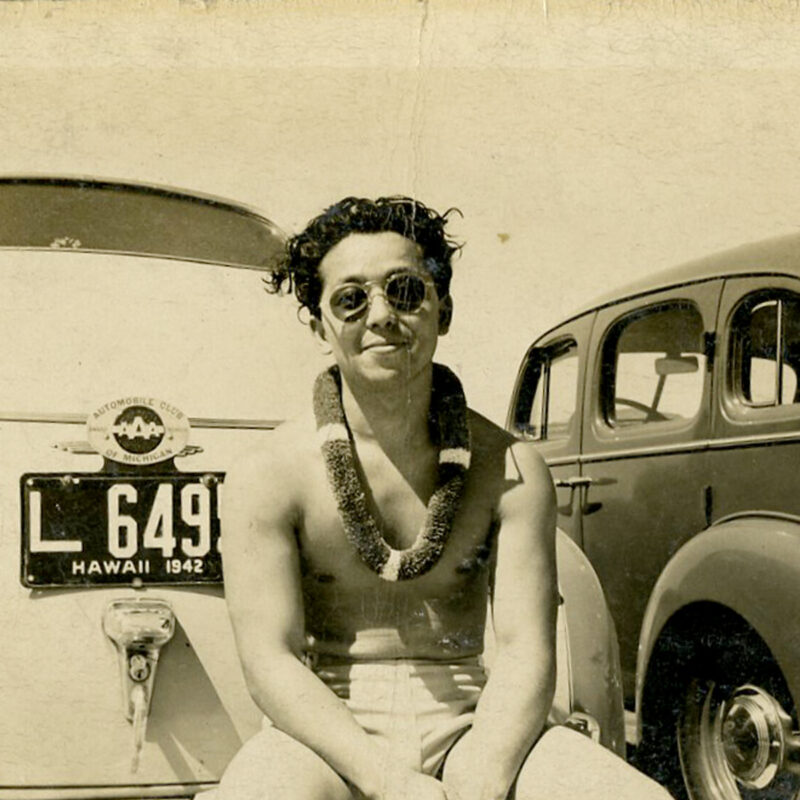
From the Jerry Jiro Katayama Photograph Collection, JASC Legacy Center.
The JASC Legacy Center is Chicago’s home for the Japanese American story. Our archives, library, and oral history project preserve more than 75 years of community memory, including the experience of incarceration, postwar resettlement, and the everyday life of Japanese Americans in Chicago from the 1890s to today.
For Corporations and DEI Programming
The Legacy Center partners with companies seeking authentic Asian American Heritage Month and DEI programming. Past programming includes: speaker sessions on Japanese American incarceration, guided archive tours, employee resource group workshops, and corporate sponsorship of preservation projects.
Contact us at legacy@jasc-chicago.org to discuss programming for your team.
Donating to the Legacy Center
The Legacy Center welcomes donations from the community. The preservation of the Japanese American heritage has been made possible through generous donations from many people in the community. The Legacy Center collects all types of materials—in English or in Japanese—that document the history and experience of the Japanese American community in the Chicago area and the Midwest. These items include:
- letters
- memoirs and reminiscences
- diaries, journals, and notebooks
- scrapbooks
- yearbooks
- oral histories
- family documents
- legal documents such as birth, immigration, marriage, and death records
- professional papers, speeches, and lectures
- business records and reports
- subject files
- directories from the community, churches, temples, or other groups
- photographs, negatives, photo albums, and slides
- audio and video recordings (audio tapes, films)
- newspapers, including clippings
- books
- magazines, journals, periodicals, and newsletters
- dissertations, articles, and school papers
- brochures, flyers, notices, and advertisements
- organizational records
Because the research value of records may be diminished if items are damaged, rearranged, or incomplete, please contact the Legacy Center before sorting, discarding, or reorganizing your papers and records. When in doubt, don’t throw it out!
Please contact the Legacy Center via email, or call 773-275-0097 ext. 222. before bringing or sending any materials. No donations can be accepted without prior approval of Legacy Center staff.